
Don’t Buy in Panama Until You Read This: The 2026 Risk Report
-
by Olga
- February 3, 2026
- Real Estate
- 0
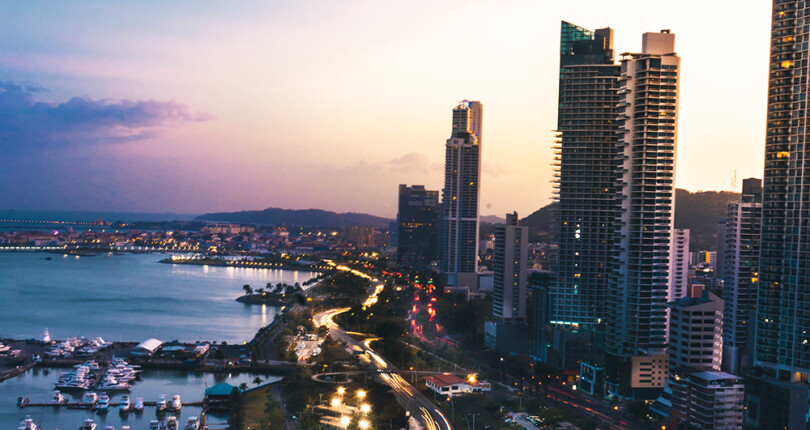
You probably head a lot of opportunities when it comes to the Panama Real Estate Market when it comes to beachfront properties, luxury homes or investment apartment units in the city.
The reality is that entering Panama’s real estate market in 2026 requires more than confidence in growth narratives or past performance.
Market conditions vary sharply by location, property type, and developer, and the margin for error can be costly for uninformed buyers.
This report examines the primary risk factors currently shaping the Panamanian property landscape, highlighting where assumptions often fail and where extra caution is necessary.
Its purpose is not to discourage investment, but to clarify the realities that should be understood before any transaction takes place.
Panama Real Estate Market Risk Report 2026 breaks down the most common issues buyers and investors face today, from title problems to market saturation or even resale challenges.
1. Oversupply in certain areas or segments
One of the most misunderstood risks in Panama real estate is oversupply—but it’s not everywhere, and it’s not universal.
The issue tends to show up in very specific segments, especially mid-range and luxury apartments in parts of Panama City and some well-known beach areas. Over the years, developers have often built based on optimistic demand projections, leading to pockets where inventory simply are more than the real buyers or renters.
The reality: Oversupply doesn’t mean prices are collapsing across the board. It means some properties sit longer on the market, negotiate harder, or underperform as rentals.
The way around this risk is being hyper-selective: focus on buildings with proven occupancy, strong HOA management, good location fundamentals (walkability, services, demand from locals), and avoid buying purely off floor plans and marketing promises.
2. The “Apartment Assessment” Trap (Extraordinary HOA Fees):
Special HOA fees are one of the most unpleasant surprises for apartment owners in Panama. These are one-time (or recurring) charges imposed when a building hasn’t collected enough regular HOA fees to cover major expenses, think elevators, water pumps, generators, facade repairs, or lawsuits. In some buildings, especially older ones or poorly managed developments, these fees can be substantial and come with little warning.
The reality: Special fees are not inevitable, but they are common in buildings with weak financial planning.
The workaround to this is due diligence and asking the right questions: review HOA financial statements (if they can be provided prior to purchasing), verify the reserve funds, meeting minutes (if possible), and ask the building’s maintenance history before buying.
A well-run building with healthy reserves dramatically lowers this risk, and often justifies slightly higher monthly HOA fees.
3. Legal and regulatory complexity
Panama’s legal system is not unsafe, but it is very different from what many foreign buyers are used to. Zoning rules, tax exemptions, residency incentives, and property title verification can change or be interpreted differently depending on the municipality.
On top of that, contracts and processes tend to move slowly and rely heavily on proper legal guidance.
The reality: Most problems here come from buyers trying to save money or time by skipping independent legal advice.
The solution is straightforward: hire a qualified, independent real estate professional. When handled correctly, transactions are secure, but taking shortcuts are where issues begin.
4. Liquidity risk
Real estate in Panama is not highly liquid, especially compared to markets like the U.S. or Canada. Selling a property can take months (or longer) depending on price, location, and market conditions.
This is particularly true for luxury units or properties priced above the local buyer’s purchasing power.
The reality: Liquidity risk only becomes a problem if you expect a fast exit. Panama works best for buyers with a medium- to long-term horizon.
To reduce this risk, buy properties with broad appeal (not overly customized), realistic pricing, and rental potential that can carry holding costs while you wait for the right buyer.
5. Construction Quality
Construction quality in Panama varies widely. Some developers deliver excellent long-term builds; others focus on speed and cost-cutting.
Issues often don’t appear immediately but show up years later through water infiltration, poor insulation, failing common areas, or higher-than-expected maintenance costs.
The reality: New doesn’t always mean better. The safest approach is to research the developer’s track record, visit older projects they’ve completed, and speak with current owners if possible. If new developments, you can find out more information from the developer with the help of a real estate professional.
Solid construction exists, but it requires separating marketing from reality and prioritizing proven quality over flashy finishes.
Navigating Panama Real Estate in 2026 With Confidence
Buying real estate in Panama in 2026 can still be a smart move, but only when it’s approached with clear eyes and realistic expectations. The risks outlined in this report are not deal-breakers; they are part of the market’s structure.
Oversupply, HOA surprises, legal complexity, construction quality issues don’t affect every property, but they affect enough of them to make blind decisions costly.
The common thread across all these risks is not location or price: it’s information. Most negative experiences in Panama real estate come from buyers relying on assumptions, marketing narratives, or advice that isn’t truly independent.
When buyers understand how the market actually works, many of these risks become manageable or entirely avoidable.
The Smart Buyer’s Path Forward
This is where working with experienced, local real estate professionals makes a real difference. A knowledgeable team can help you identify which areas are genuinely oversupplied, which buildings are financially healthy, which developers have delivered long-term quality, and which properties make sense for your goals.
Panama rewards buyers who do things correctly, patiently, and with the right support. If you are buying either for an investment or for moving into the country, having professionals who understand both the real estate market realities and the legal landscape is not a luxury, it’s a necessity.
If you’re considering a property purchase in Panama and want clarity before making a decision, we’re here to help. Contact us to discuss your goals, review opportunities, and navigate the market with confidence, before risks turn into regrets.